There’s something about that first cool morning here in Mooresville that makes you want to hit reset. September is the perfect window — busy enough that you need systems, but calm enough that you still have time to put them in place before the holidays take over your calendar (and your closets).
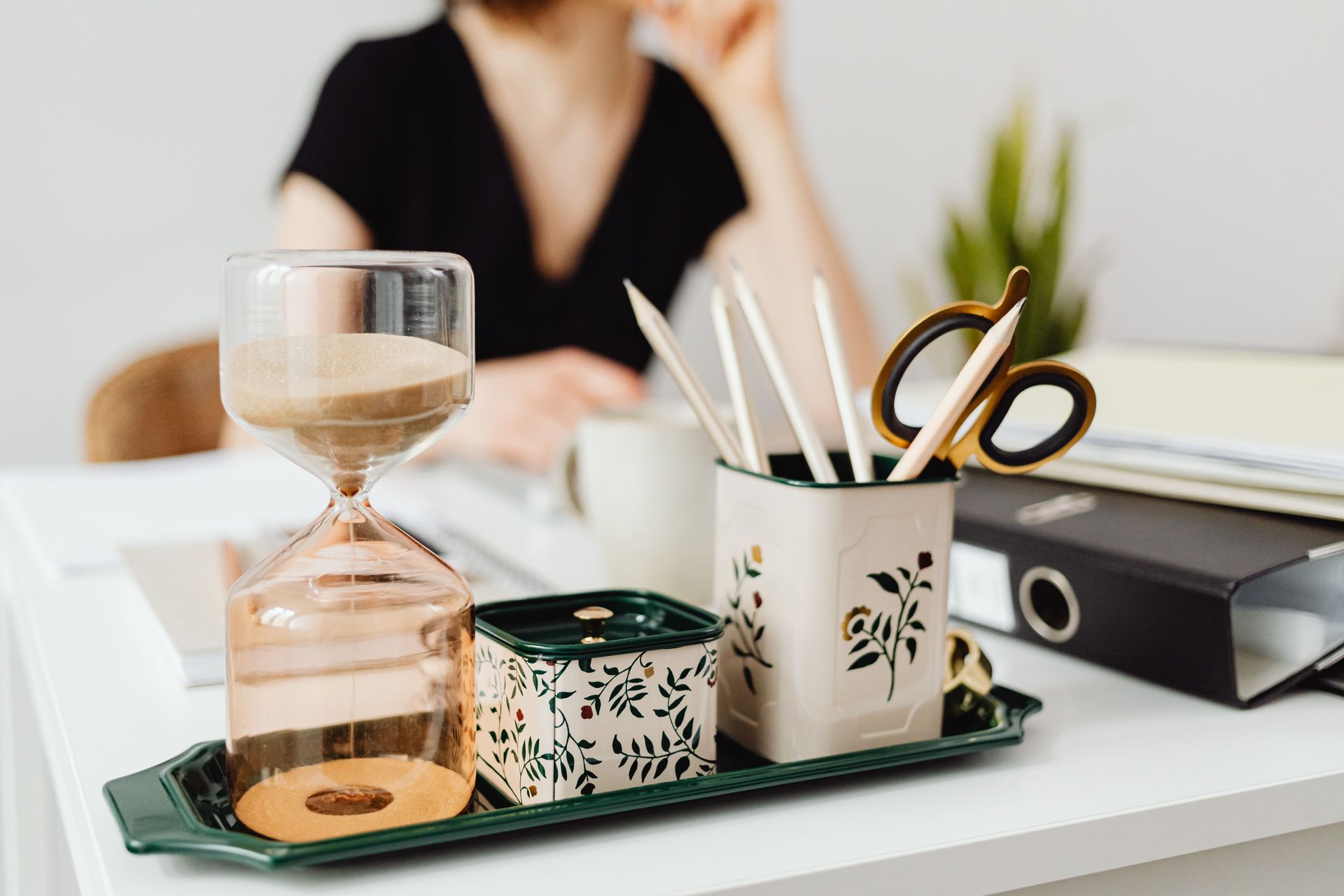
If your home office has slowly turned into a dumping ground for summer mail, kids’ art projects, and half-finished paperwork, you’re not alone. As Lake Norman families settle back into routines this fall, now is the perfect time to reclaim that space and set yourself up for a more productive season.

If your calendar suddenly went from “summer chill” to a color-coded maze of practices, pickups, and permission slips overnight — you’re not alone. Between school start times, after-school activities, and getting dinner on the table, it’s no wonder so many Lake Norman parents feel like they’re running on fumes by 6pm. Here in Mooresville, Davidson, Cornelius, and Huntersville, fall means juggling sports practice, dance class, homework, and everything in between — often right after a full workday. The good news? A few simple systems can take the chaos down a notch.

If you’ve ever bought a second jar of peanut butter only to find the first one hiding behind the cereal boxes, you already know the truth: a cluttered pantry doesn’t just look messy — it costs money. Here in Mooresville, Davidson, Cornelius, Huntersville, and Troutman, our kitchens work hard. Between school lunches, weeknight dinners, and weekend guests, pantries fill up fast. But when you can’t see what you have, you end up buying what you already own, letting food expire behind other food, and making dinner decisions harder than they need to be. The good news? Visibility saves money — and it doesn’t take a full renovation to get there. 3 Ways to Reclaim Your Pantry 1. Group like with like. Baking supplies together, snacks together, canned goods together. When everything has a home, your eyes (and your grocery list) know exactly what’s missing. 2. Decant strategically. You don’t need to decant everything, but clear bins for pasta, rice, and snacks make contents instantly visible — and they stack better than bulky boxes. 3. Do a “first in, first out” sweep monthly. Pull older items to the front each time you restock. It’s a five-minute habit that prevents expired goods from hiding in the back. For Business Owners This isn’t just a homeowner problem. Local cafés, salons, and small offices around Lake Norman often store supplies the same chaotic way — leading to duplicate orders and wasted inventory. A well-organized stockroom or supply closet saves real money over time, the same way a pantry does. If your business could use a reset, we work with Lake Norman business owners too. The Bottom Line An organized pantry isn’t about Pinterest-perfect labels (though we love those too). It’s about knowing what you have, so you stop overspending and start simplifying mealtime. A little visibility goes a long way toward saving both time and money. Ready for a pantry — or a whole home — that finally makes sense? A Place for Everything LKN serves Mooresville, Davidson, Cornelius, Huntersville, and Troutman with organizing solutions built around how you actually live. Visit aplaceforeverythinglkn.com to get started.

The school buses are rolling again through Mooresville, Davidson, Cornelius, Huntersville, and Troutman — which means it’s time to get your home (and your kids!) ready for the new year. Here are our top 5 back-to-school must-dos.
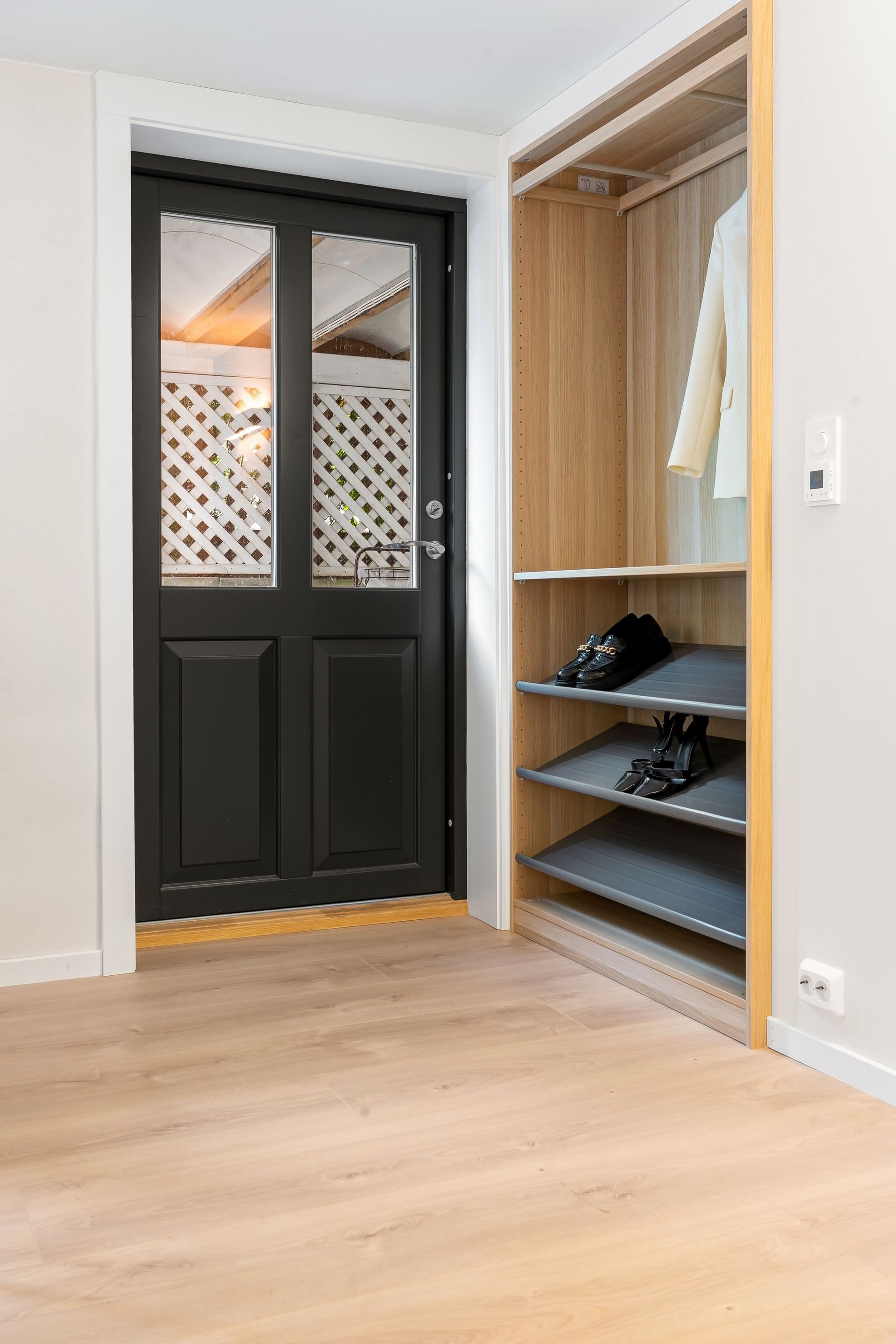
Here in Lake Norman, our days are full — school drop-offs in Davidson, meetings in Cornelius, weekend errands across Mooresville and Huntersville. The last thing anyone needs is a chaotic scramble every time they walk in or out the door. A calm entryway isn’t just pretty — it’s the difference between a smooth morning and a stressful one. Start with a landing zone. Whether it’s a mudroom, a coat closet, or just a small table by the door, designate one spot for keys, wallets, and sunglasses. If it doesn’t have a home, it ends up on the counter — or lost entirely. One hook per person. Bags and backpacks pile up fast, especially with kids heading to and from Troutman schools or activities. A labeled hook or cubby for each family member keeps mornings moving without the “where’s my backpack?!” panic. Corral the shoes. A simple bin, basket, or shoe rack right at the entry keeps clutter off the floor and off your to-do list. Bonus: it protects those beautiful Lake Norman hardwood floors from mud and grass. A basket for outgoing items. Library books, dry cleaning, return packages — anything that needs to leave the house gets its own spot by the door. If it’s sitting there, it’s ready to grab on your way out. Keep a quick-reset habit. Once a week, spend five minutes clearing what’s collected. A calm entryway isn’t about perfection — it’s about a system that resets easily. Business owners: Your entry matters too. A clear, welcoming front area — free of clutter, with a simple spot for deliveries and signage — sets the tone for every customer who walks through your door. Small changes at your entryway ripple through your whole day. When you’re not hunting for keys or tripping over shoes, you start and end each day feeling just a little more grounded. Ready for a home (or business) that feels calm the moment you walk in? Visit aplaceforeverythinglkn.com to schedule your free consultation — proudly serving Mooresville, Davidson, Cornelius, Huntersville, and Troutman.
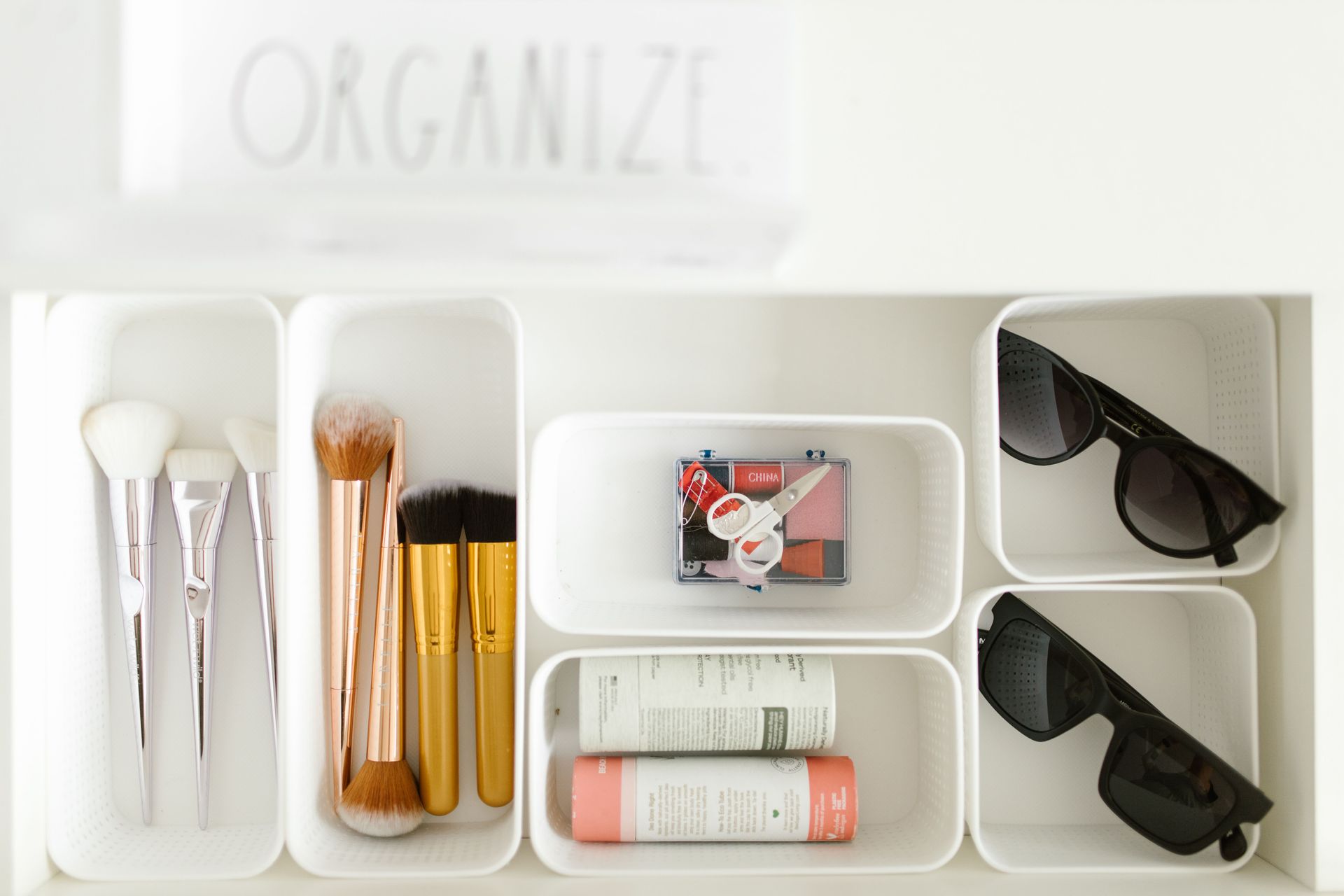
How to Curate the Perfect Mid-July Reset

A Smarter, Smoother Start to the School Year
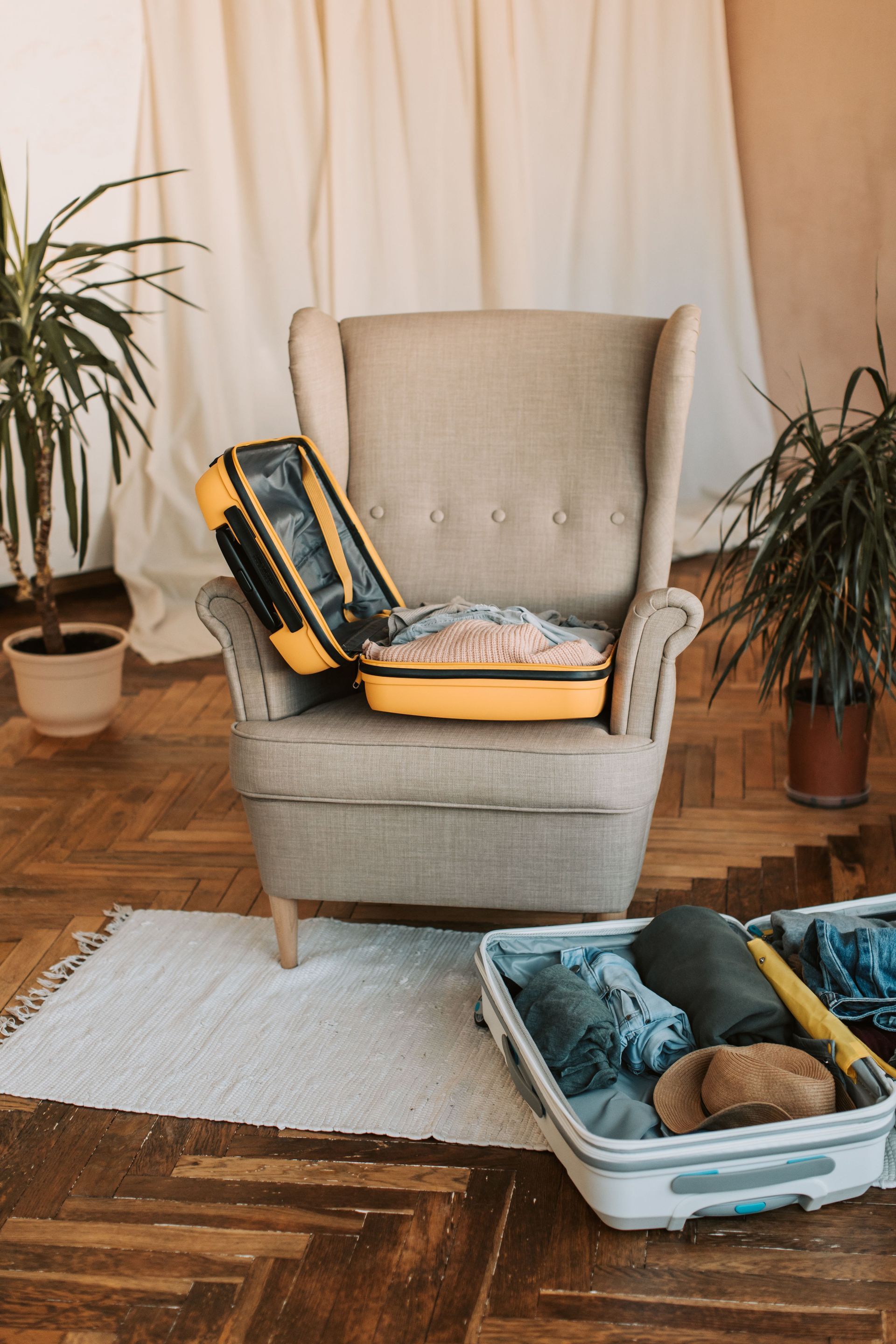
You just got home from a wonderful summer trip, and there it is: the suitcase, sitting in the corner of your bedroom, slowly becoming a permanent fixture. Sound familiar? At A Place for Everything LKN, we see it all the time. Vacation unpacking is one of those tasks that’s easy to postpone — and once it sits for a few days, it sits for a few weeks. That’s where the 24-hour rule comes in. The rule is simple: every suitcase gets fully unpacked within 24 hours of walking through the door. Not sorted into piles. Not partially unloaded. Fully emptied, with everything put back where it belongs. Here’s how we make it manageable: • Laundry first. Dump dirty clothes straight into the hamper or washer — no in-between basket. • One category at a time. Toiletries back to the bathroom, shoes to the closet, chargers to their bin. Handle each group in one motion instead of shuffling items around. • Suitcase away, immediately. Once it’s empty, return it to storage right then. An empty suitcase sitting out becomes a catch-all within days. • Reset the entryway. Beach bags, sandy shoes, and travel pillows all have a home — return them before you sit down to relax. The goal isn’t to unpack perfectly. It’s to close the loop quickly, so the trip doesn’t linger in your living room for the rest of the summer. Coming home should feel like a return to calm, not the start of a new project. A few focused minutes now means your space — and your mind — stay clutter-free long after the vacation photos are uploaded.
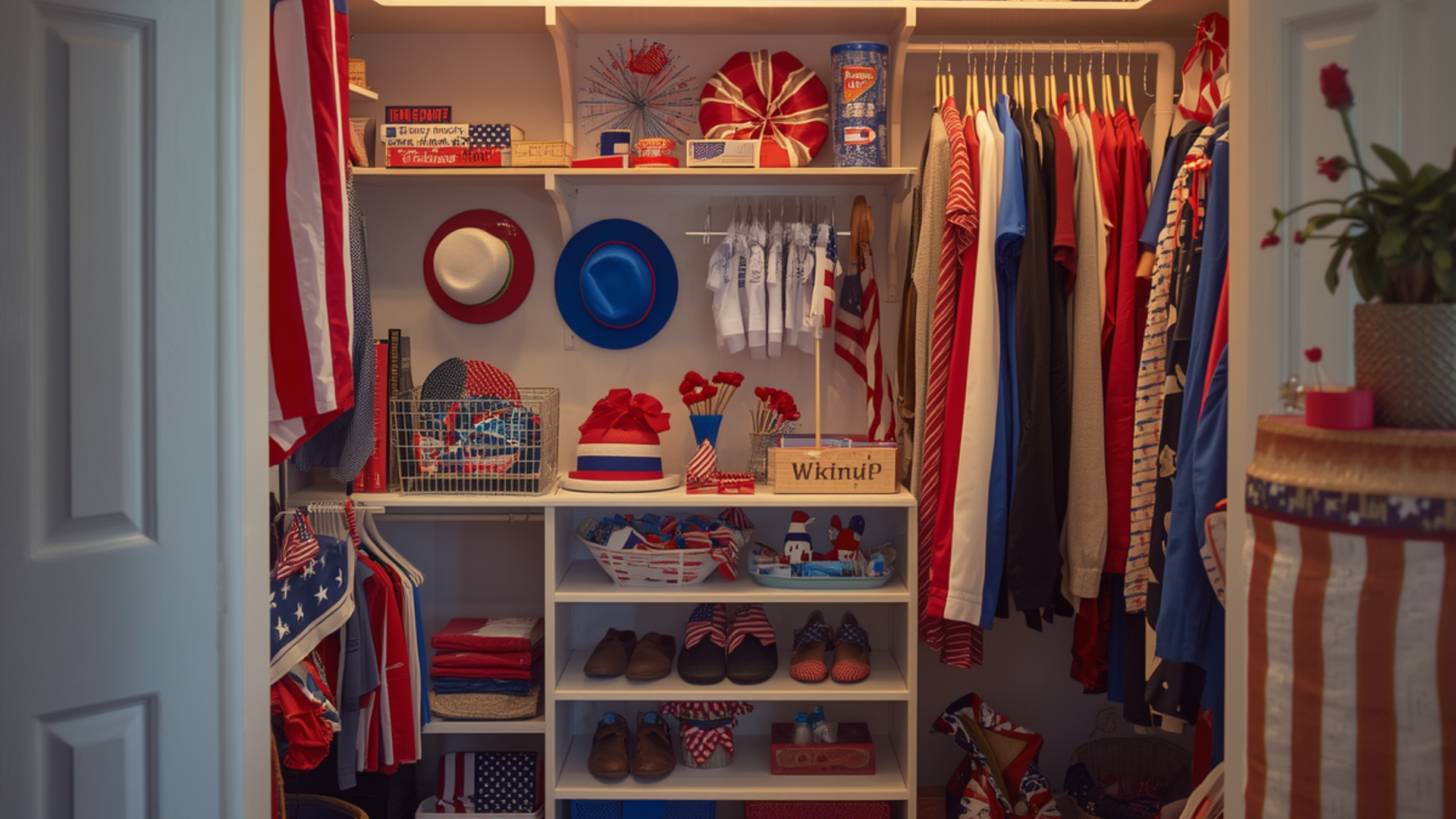
Declare Your Independence from Clutter Every Fourth of July, we celebrate freedom — parades, fireworks, backyard cookouts with family and friends. But as we gather in our homes this holiday, it's worth asking: does your space feel like a place of ease and celebration, or does the clutter quietly steal some of that joy? Freedom isn't just a national ideal. It's something you can feel in your own home. Think about how it feels to walk into a room that's calm and clear. No piles of mystery mail on the counter. No junk-drawer anxiety every time you need a pen. Just space — open, intentional, and easy to enjoy. That feeling is available to all of us, and it doesn't require a dramatic overhaul to get there. At A Place for Everything LKN, we believe in small, steady steps. You don't need to tackle your whole house in a weekend to feel the difference. Start with one drawer. One shelf. One cabinet. Work through it slowly, making decisions about what truly belongs and what's just taking up space. That calm, confident feeling? It builds with every small win. Clutter tends to accumulate gradually — a little here, a little there — until one day the counter is covered and the closet won't close. The good news is that freedom from it works the same way. One small decision at a time, you reclaim your space and, with it, a little bit of peace. This July 4th, while you're celebrating the freedoms we hold dear, consider giving yourself one more: the freedom of a home that works for you. A space where you can find what you need, enjoy what you have, and breathe a little easier. You deserve a home that feels as good on the inside as your celebrations look from the outside. Ready to reclaim your space? We'd love to help. Visit us at aplaceforeverythinglkn.com or give us a call at (704) 326-2076 to get started.